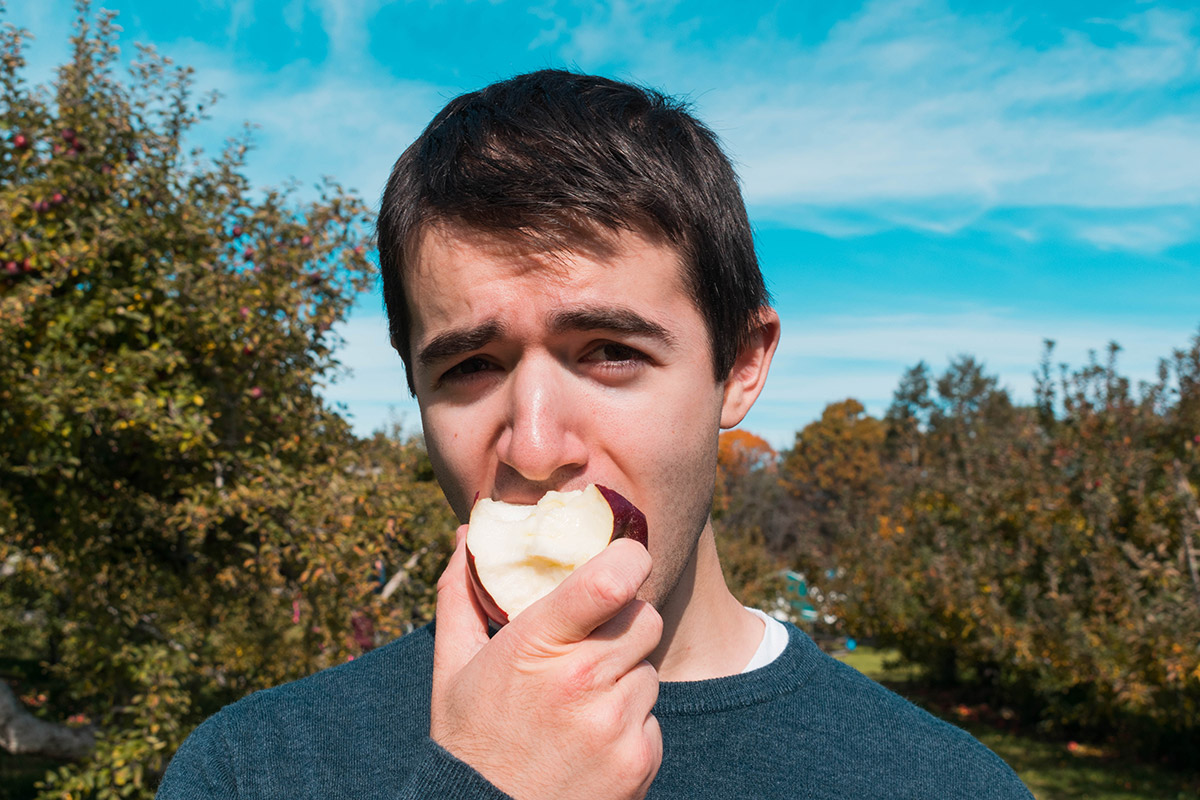
Your mental health starts in your gut... not your head!
When it comes to mental health, we often look to our minds for answers. But what if a major key to a healthy mind lies not in our heads but in our stomachs? Recent research suggests that our diet plays a highly significant role in shaping our mental well-being.
The Gut-Brain Connection: Unraveling the Mystery
We all know that the gut is responsible for digesting food, but its role extends far beyond that. The gut is home to trillions of microbes, collectively known as the gut microbiota. This bustling community of bacteria and other microorganisms communicates with our brains through the gut-brain axis, a network of nerves and chemical signals.
Scientists are discovering that the gut-brain axis plays a crucial role in regulating our emotions, mood, and cognitive function. This means that the health of our gut can profoundly impact our mental well-being.
Nurturing Your Gut, Nurturing Your Mind
So, how can we nurture our gut to support our mental health?
- Embrace Real Food: Opt for whole, unprocessed foods that nourish your body and mind. Fresh fruits, vegetables, whole grains, lean proteins, and healthy fats should take center stage on your plate.
- Feed Your Microbes: The gut microbiota thrives on fibre-rich foods. Load up on fruits, veggies, and legumes to keep these beneficial bacteria happy and healthy.
- Fermented Foods: Introduce fermented foods like yogurt, kimchi, and sauerkraut into your diet. These probiotic powerhouses can boost the diversity of gut bacteria.
- Omega-3 Fatty Acids: Omega-3s, found in fatty fish, flaxseeds, and chia seeds, are essential for brain health and can positively impact your mood.
- Mindful Eating: Slow down and savour your meals. Eating mindfully not only aids digestion but also allows you to be more in tune with your body’s needs.
- Limit Sugar and Processed Foods: Excessive sugar and processed foods can disrupt the balance of gut bacteria and negatively affect your mental well-being.
- Stay Hydrated: Drink plenty of water to support digestion and keep your gut microbiota thriving.
- Listen to Your Gut: Pay attention to how different foods make you feel. Your gut may hold valuable clues about what foods work best for you.
- Manage Stress: Chronic stress can harm your gut health. Engage in stress-reducing activities like meditation, yoga, or spending time in nature.
- Seek Professional Guidance: If you’re unsure about how to optimise your diet for mental health, consult a nutritionist or dietitian who can provide personalised advice.
Finally...
While our minds may be the captains of our thoughts and emotions, the gut acts as the faithful first mate, providing crucial support to our mental well-being. By nourishing our gut with a balanced and wholesome diet, we can create a foundation of good mental health. So, the next time you think about your well-being, remember that the journey to a healthier mind starts not just in your head but also in your stomach.
Photo by Alexandra Lowenthal on Unsplash